
Exit Planning for Chiropractic Practice Owners: When to Start and What to Do First

By Gretchen Roberts
When should a chiropractic practice owner start planning for an exit?
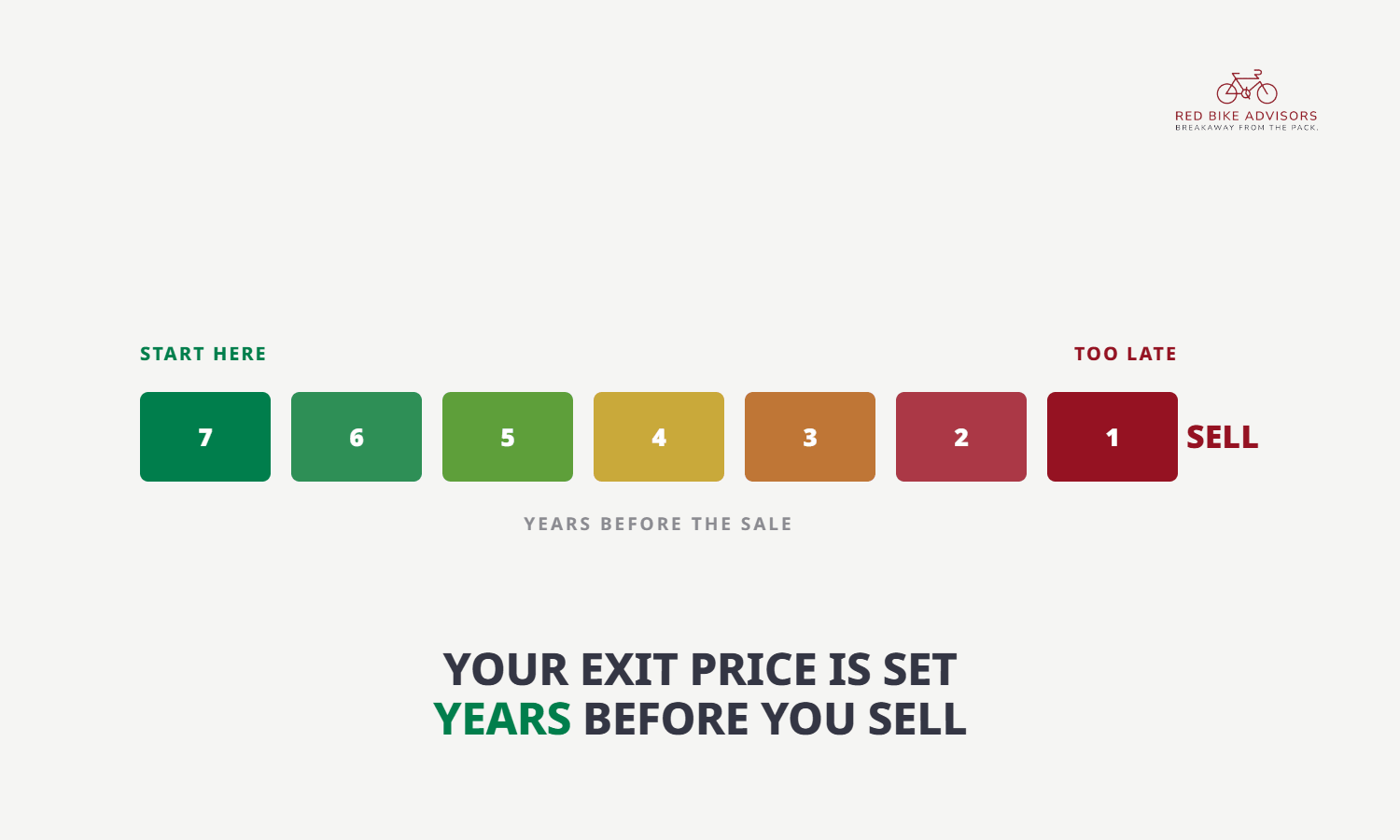
The right time to start exit planning for a chiropractic practice is five to seven years before the intended sale date, and the earlier the better. Practice owners who begin at 45 to 50 have time to build toward higher valuations, develop associates, clean up their financials, and create the kind of transferable practice that commands a strong multiple. Those who start at 58 often discover they have six to 12 months of work ahead before the practice is ready to sell at a price they would accept.
How is a chiropractic practice typically valued?
Collections-based: 50% to 80% of annual gross collections, depending on practice profitability, owner dependency, and patient retention. A chiropractic practice generating $800,000 in collections might sell for $400,000 to $640,000 under this method.
EBITDA multiple: 3x to 5x EBITDA for independent buyer transactions. A practice generating $800,000 in collections at 35% EBITDA margin produces $280,000 in EBITDA and a valuation of $840,000 to $1.4M at a 3x to 5x multiple. The multiple depends heavily on whether the practice is truly transferable.
The gap between the low end and the high end of these ranges is almost always explained by owner dependency, financial documentation quality, and EBITDA margin. Practices at the top of the range have built something that buyers can sustain without the seller.
What should a chiropractic practice owner do first when thinking about exit?
Step 1: Get a realistic valuation. Before making any decisions about timing or structure, understand what the practice is worth today and what the primary drivers are. A practice advisor or your advisory firm can walk you through a valuation analysis based on your current financials.
Step 2: Benchmark your EBITDA margin. A chiropractic practice with a 35% or higher EBITDA margin is significantly more sellable than one at 20%. If your margin is below 30%, identifying and closing the overhead gaps before a sale will directly increase your exit price.
Step 3: Evaluate your owner dependency. What percentage of your practice revenue comes from your personal clinical production? If the answer is above 60%, the most impactful exit preparation move is hiring an associate and developing that relationship over three to five years before a sale.
Step 4: Clean up the financial records. Three years of auditable books, consistent revenue growth, and a clean entity structure are the baseline requirements for a smooth transaction. Any bookkeeping disorganization, entity complications, or tax return inconsistencies should be resolved before the sale process begins.
Step 5: Build a transition plan. How will the practice continue after you leave? A documented associate relationship, a patient communication plan, and a team that operates without constant owner oversight are all signals that buyers look for. A transition plan also reduces the earnout risk that buyers often build into purchase agreements for high-dependency practices.
What are the most common exit mistakes chiropractic practice owners make?
Starting too late. Waiting until burnout, health issues, or personal circumstances force an exit means selling from a position of urgency rather than strength.
Neglecting EBITDA in favor of collections. Many practice owners focus on growing revenue without tracking whether that growth is translating into margin. A $1M practice at 20% EBITDA is often worth less than an $800,000 practice at 35% EBITDA at prevailing multiples.
No associate development. Practices that have never developed an associate are harder to sell and typically command lower multiples. Buyers pay for transferability, not just current production.
Underestimating due diligence requirements. The due diligence process for a practice sale typically takes 60 to 120 days and reviews three years of financials, tax returns, patient records, lease agreements, and equipment. Practices that are not prepared for this level of scrutiny experience delays, renegotiations, and sometimes failed transactions.
What does a well-prepared chiropractic practice look like at exit?
What does a well-prepared chiropractic practice look like at exit? Three years of clean, auditable financials. An associate generating at least 25% to 30% of production. EBITDA margin at or above 35%. A documented patient retention system with a reactivation protocol. A lease with at least three to five years remaining or renewal options. An owner who is not the only person who can answer the phone, manage the schedule, and resolve billing issues.
That practice closes faster, at a higher multiple, with fewer seller concessions.
Take the free Practice Profit Audit to see how your profitability, tax structure, and retirement plan compare to benchmarks: https://redbikeadvisors.com/resources/practice-profit-audit
Gretchen Roberts
Gretchen Roberts is CEO of Red Bike Advisors LLC. As a business owner herself, Gretchen has a deep understanding of the problems, questions, and financial pain points that business owners experience on a daily basis, and how strategic financial and tax planning is the key to "breakaway" business growth and success.