
Quarterly Taxes for New Business Owners: A Stress-Free Guide to Doing It Right

By Gretchen Roberts
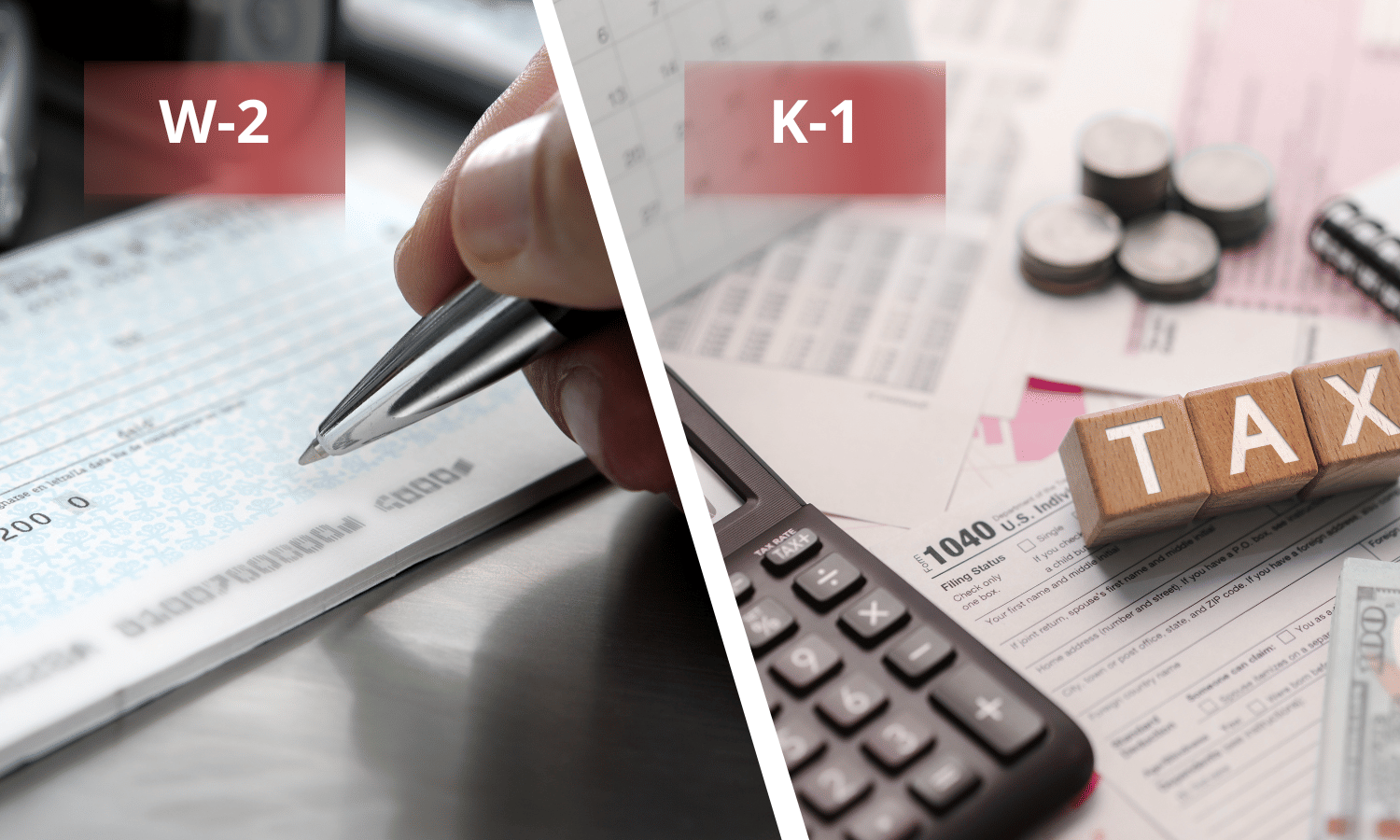
One of the biggest shifts I see when someone moves from a W-2 job into business ownership isn’t about revenue.
It’s about taxes.
More specifically: No one is withholding them for you anymore.
And if this is your first year receiving income through a K-1, draws, guaranteed payments, or distributions, that can feel unfamiliar.
When you’re a W-2 employee, everything is handled in the background. Taxes are withheld, and paychecks are consistent. There isn’t much to think about.
But once you’re earning business income, that changes.
You’re now responsible for:
- Tracking what you’re making
- Understanding what you owe
- And paying taxes throughout the year. And most business owners were never shown how to do that.
What Quarterly Taxes Really Are
Quarterly taxes aren’t complicated, but they’re often explained in a complicated way.
At a basic level, they’re just estimated payments you make during the year based on what you just earned.
Instead of waiting until April and being surprised with the bill, IRS penalties and interest, you’re staying ahead of it.
Where Most People Get Stuck
In conversations I have with business owners, the hesitation usually sounds like:
“I don’t even know where to start.”
“What if my income changes?”
“How do I know what’s enough?”
And the reality is those are the right questions, because unlike a paycheck and regular withholdings, business income isn’t always predictable.
How We Approach It
When we walk through this with clients, we’re not trying to calculate a perfect number.
We’re trying to create a reasonable plan.
That means looking at:
- What the business has made so far
- What it’s likely to make
- And how that translates into tax liability
Typically if you’re working with us, you’ll get a set of tax vouchers at tax filing time. Then, we look again later in the year and take into account net income swings, tax savings opportunities, and other considerations that might affect the rest of the year as well as the year ahead.
What Happens If You Miss the Mark
This is where a lot of stress comes from.
Business owners worry that if they don’t calculate it perfectly, something will go wrong.
But in reality:
- If you underpay, there may be a small penalty
- If you overpay, it carries forward or comes back to you
- And you can adjust throughout the year
In fact, it’s nearly impossible to calculate estimates perfectly. That’s why they’re called estimates.
Another thing I hear all the time is, “I paid my quarterly taxes, why am I getting a penalty??”
That’s because Uncle Sam wants your money in the quarter you made it. Let’s say you had a huge second quarter but paid a level amount of quarterly taxes all year.
The IRS doesn’t care that you “caught up” later. They look at each quarter individually.
So if you underpaid in Q2 (when you made the bulk of your income), you can still get hit with an underpayment penalty, even if by year-end you paid in enough overall.
A Simple Starting Point
If you’re early in your business or this is your first year with self-employed income, you don’t need a complex system.
Start with:
- Setting aside a percentage of what you earn: As a rule of thumb, 25-35% of net income is a good number; less if you live in a low- or no-income tax state and more if in a high-income tax state.
- Checking in on your numbers periodically: If you’re growing like crazy or slowing way down, you may want to up or reduce payments to mirror net income changes.
- Adjusting as your income becomes clearer: We typically do a tax planning session with clients in Oct-Dec to “true up” any major income swings that affect the tax estimates.
If it feels confusing, that’s normal.This isn’t something most business owners were ever taught, and the IRS tends to make it even more complex by not following true quarters.
Payments are due:
1. April 15 for Q1 (Jan 1-March 31)
2. June 15: for Q2 (April 1-May 31) --this is not a “true” quarter.
3. Sept. 15: for Q3 (June 1-Aug 31)
4. Jan. 15: for Q4 (Sept. 1-Dec. 31) --again, not a “true” quarter.
The Bottom Line
Here's what I want you to take away from this.
You don't need to be obsessed with your quarterly taxes. You just need a system. Set money aside as you earn it. Review your estimates once or twice a year. Adjust if something big changes.
Quarterly taxes aren’t a test you have to ace, but more like a thermostat you adjust when the room gets too hot or too cold.
Now go put those dates on your calendar!
Gretchen Roberts
Gretchen Roberts is CEO of Red Bike Advisors LLC. As a business owner herself, Gretchen has a deep understanding of the problems, questions, and financial pain points that business owners experience on a daily basis, and how strategic financial and tax planning is the key to "breakaway" business growth and success.